Packing right can make or break your jungle safari. Dudhwa’s safaris start early, run through bumpy forest tracks in open jeeps, and expose you to everything from chilly winter dawns to harsh summer sun — and the nearest well-stocked market is a long drive from the forest gates. Whether you have booked your Dudhwa jeep safari for winter or summer, here are the 10 essential things to pack for your Dudhwa jungle safari.
1. Layered, Earth-Toned Clothing
The single most important packing decision is what you wear. Choose comfortable clothing in muted, earthy colours — olive green, brown, beige and grey — which blend into the forest and disturb wildlife far less than bright reds or whites. Dress in layers: a t-shirt or shirt, a fleece or light sweater, and a windproof jacket on top. Winter mornings in the open jeep are genuinely cold, while afternoons warm up considerably, so layers let you adapt through the day. In summer, switch to light, breathable cotton and linen. Avoid shorts and sleeveless tops — full sleeves protect against sun, dust and insects.
2. A Warm Jacket, Cap and Gloves (Winter Safaris)
If you are visiting between November and February, treat the morning safari like a cold-weather expedition. A good windproof jacket, a woolen cap or beanie, gloves and a scarf are non-negotiable for the 6:30 AM start, when the wind chill in an open jeep can be biting. Many first-timers underestimate this and spend the entire drive shivering instead of watching wildlife. Pack these even if the afternoons feel pleasant — dawn in the Terai is a different world. See our Dudhwa winter safari guide for season-specific advice.
3. Sturdy, Closed Footwear
The jeep ride is bumpy, forest tracks are dusty, and you may walk on uneven ground around lodges and watchtowers. Pack comfortable closed shoes — sports shoes or light trekking shoes work perfectly. Avoid sandals, flip-flops and white sneakers, which offer no protection and will be ruined by dust. If you are staying multiple days, a second pair is a luxury you will appreciate.
4. Binoculars
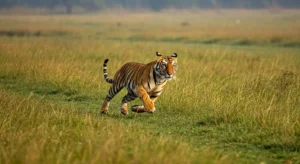
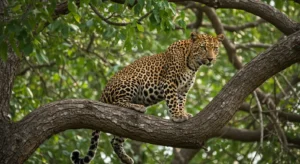
Even if mammals are your main interest, binoculars transform a safari. Much of the action — a tiger resting in distant grass, a leopard on a far branch, raptors soaring overhead — happens beyond naked-eye range. A compact 8×42 or 10×42 pair is ideal: powerful enough for detail, light enough to carry all day. If you are travelling as a couple or family, consider bringing two pairs so nobody misses the moment everyone is whispering about.
5. Camera, Lenses and Extra Batteries
Dudhwa rewards photographers richly, from rhinos in golden grass to tiger portraits and spectacular birdlife. Bring your camera with a telephoto lens (at least 200mm, ideally longer), a sturdy but compact support, and — critically — spare batteries and memory cards. Cold winter mornings drain batteries faster, and there is nothing worse than a dead camera when a tiger steps onto the track. A simple rain/dust cover protects your gear on bumpy, dusty trails.
6. Sun Protection: Hat, Sunglasses and Sunscreen
The Terai sun is strong year-round, and once the winter mist lifts or in the summer months, you are exposed for three hours in an open vehicle. Pack a wide-brimmed hat or cap, UV-protection sunglasses, and a reliable sunscreen. Lip balm with SPF is a small addition that makes a big difference on dry, dusty drives.
7. Valid Photo ID (Original)
This one is mandatory, not optional. Safari permits are issued against a government photo ID — Aadhaar card, voter ID, PAN card, driving licence, or passport for foreign nationals — and you must carry the same original ID submitted at the time of booking. Entry can be denied without it, and permits are non-transferable. Keep your ID in a secure, easily accessible pocket of your daypack, along with a printed or phone copy of your e-permit.
8. Reusable Water Bottle and Light Snacks
There are no shops inside the forest, and a three-hour safari plus waiting time at the gate is a long stretch without water. Carry a reusable water bottle (avoid single-use plastic, in keeping with eco-tourism principles) and some light, non-messy snacks like nuts, energy bars or fruit. Littering inside the reserve is strictly prohibited — everything you carry in must come back out with you.
9. Personal Medications and a Small First-Aid Kit
Carry any personal medications you need, plus a small kit with the basics: pain relievers, anti-allergy tablets, ORS sachets, band-aids, antiseptic and any prescribed medicines. The nearest pharmacy may be far from your lodge, and the bumpy ride can unsettle sensitive stomachs — motion-sickness tablets help if you are prone to it. Insect repellent is useful for evenings around the lodge.
10. A Small Daypack to Organise It All
Finally, bring a compact daypack to keep everything together and your hands free for binoculars and cameras. Your daypack should hold your ID and permit, water, snacks, sunscreen, an extra layer, and your camera gear — everything within arm’s reach in the jeep. A pack with a dust cover or zippered compartments keeps the fine Terai dust off your belongings.
Safari-Day Checklist: The Night Before
Run through this quick checklist the evening before your safari: ID and e-permit ready; camera batteries charged and memory cards empty; clothes laid out in layers; water bottle filled; wake-up alarm set (you will leave well before dawn for the morning slot). Safari reporting times are strict — the Dudhwa safari price you paid covers your seat on a schedule that waits for no one.
Packed right, you can forget about logistics and focus on what matters: the forest, the guide’s whispered commentary, and the electric moment when the jungle falls silent and something magnificent steps into view. For the complete trip planning picture, browse our Dudhwa tour packages — and we will see you at the forest gate.