A Dudhwa jungle safari is unforgettable — but the Terai has a second story that most visitors miss. For centuries, the indigenous Tharu tribal community has lived in and around these forests, shaping a distinctive culture of art, music, cuisine and forest wisdom found nowhere else in India. A Tharu tribal village tour near Dudhwa National Park adds a rich human dimension to your wildlife holiday. This culture guide introduces who the Tharu are, what you will experience on a village visit, and how to explore respectfully.
Who Are the Tharu People?
The Tharu are the indigenous inhabitants of the Terai — the lowland belt stretching along the Himalayan foothills across Uttar Pradesh, Bihar, Uttarakhand and into Nepal. Living beside dense forests and malarial swamps long before modern settlement, the Tharu developed a remarkable way of life adapted to the jungle: traditional knowledge of forest plants and wildlife, distinctive architecture suited to the hot and humid climate, and customs and festivals entirely their own.
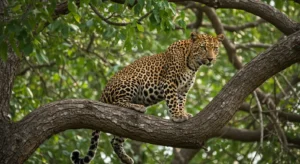
What makes the Tharu especially fascinating for visitors is how deeply their culture is intertwined with the forest itself. Many Tharu traditions, songs and stories revolve around the jungle and its animals — the same tigers, elephants and rhinos you seek on safari feature in Tharu folklore as powerful, respected beings. Meeting the community offers a completely different lens on the landscape you have been driving through.
A Walk Through a Tharu Village: What You Will See
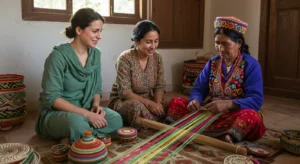
Tharu villages near Dudhwa are immediately distinctive. Traditional homes are built of mud and thatch with beautifully decorated walls — many houses feature intricate hand-painted designs and patterns created by Tharu women, turning entire villages into open-air art galleries. The houses are designed for the Terai climate, with high plinths against monsoon flooding and airy verandahs where daily life unfolds.
On a guided village walk, you will typically see traditional farming life, from bullock carts and hand-operated tools to grain storage structures unique to the community. You may visit a local home, see how daily chores are done, and learn about the community’s relationship with the surrounding forest — including how villages on the forest edge coexist with wildlife. Your guide will explain the customs, social structure and stories behind what you are seeing, bringing the village to life far beyond a simple photo stop.
Tharu Art, Dance and Music
Tharu culture is vibrantly expressive. The community is known for its traditional stick dances and folk performances, performed to the rhythm of drums and folk instruments during festivals and celebrations — and often arranged for visiting groups. The dances are energetic, colourful and deeply rooted in Tharu mythology and agricultural cycles.
Tharu art extends to everyday objects: hand-painted walls, woven baskets and mats, and traditional tattoos that once marked identity and life stages. If your visit coincides with a local festival, you may witness the celebrations at their most spectacular — ask when you plan your trip whether any festivals fall during your dates.
Tharu Cuisine: What to Taste
No culture guide is complete without food, and Tharu cuisine is a highlight. The traditional diet is built around locally grown rice, lentils, seasonal vegetables and freshwater fish, prepared with distinctive local spices and techniques. Dishes are typically cooked over wood fires, giving them a smoky depth you will not find in restaurant food.
Many village visits include a traditional meal served the Tharu way — a genuinely memorable experience and a wonderful complement to the lodge dining of a standard safari trip. If you have dietary requirements, mention them in advance so your hosts can prepare accordingly.
Visiting Responsibly: Community Tourism Done Right
A Tharu village is a living community, not a theme park — and the best visits are those built on mutual respect. Keep these principles in mind:
- Go with a local guide. A Tharu guide or a guide from the area ensures your visit is welcomed, your questions are answered accurately, and the community benefits directly from tourism.
- Ask before photographing people. Always request permission before taking portraits, and respect a refusal gracefully. A smile and a gesture go a long way.
- Dress modestly and behave as a guest in someone’s home — because you are one.
- Buy local. If handicrafts, baskets or artwork are offered for sale, buying directly supports village livelihoods.
- Keep groups small and voices low. The village’s rhythm of life continues around you; tread lightly.
How to Add a Tharu Village Tour to Your Dudhwa Trip
A village visit fits perfectly into a 2–3 day Dudhwa itinerary: safaris in the mornings and afternoons, with the middle of the day or an extra evening devoted to the village. The most relaxed way to arrange it is as part of a complete package — our Dudhwa tour packages can combine jeep safaris, comfortable stays near the forest and cultural excursions like the Tharu village tour in one seamless booking.
The best time to visit Dudhwa for a combined wildlife-and-culture trip is the winter season from November to February, when the weather is pleasant for both safaris and village walks. Whether you come for the tiger, the rhino or the birds, leave room in your itinerary for the Tharu — the forest’s oldest storytellers. You will return home with a far richer understanding of the Terai than any safari alone could give.