Ask any naturalist when to visit Dudhwa and you will hear the same answer: winter. From November to February, Dudhwa National Park is at its most magical — mist rising off the grasslands at dawn, tigers active in the cool air, and the wetlands filled with migratory birds. If you are planning a winter safari, this guide covers everything you need to know: the weather, safari timings, what to wear, which wildlife to expect, and how to secure your permits in the busiest season of the year.
Why Winter Is the Best Time for a Dudhwa Safari
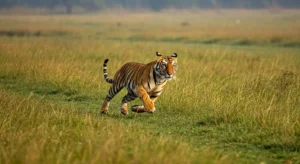
Winter is peak season in Dudhwa for good reason. The cool, dry weather makes animals more active during the day — tigers, elephants and rhinos are frequently seen in the morning hours rather than retreating into shade, as they do in the harsh summer. The tall grasses turn golden, visibility improves as the undergrowth thins, and the soft winter light is a dream for photography. It is no coincidence that the park’s tourism season opens in mid-November, just as winter sets in.
Winter is also the birding season. Hundreds of migratory species arrive from Central Asia and beyond, joining the park’s resident birds on its wetlands and rivers. For many visitors, a winter morning in Dudhwa — with Sarus cranes calling over misty grasslands — is the defining memory of the trip.
Winter Weather in Dudhwa (November to February): What to Expect
Dudhwa lies in the Terai belt at the Himalayan foothills, and winter here is genuinely cold — especially in the open jeep at dawn. Mornings can be foggy, with dense mist that usually lifts by mid-morning to reveal bright, sunny days. Afternoons are pleasantly cool and comfortable. By February, the chill begins to ease and the forest takes on a fresh, green energy ahead of spring.
The fog deserves a special mention: on the coldest mornings in December and January, visibility can be low at the start of the morning safari. But do not be disheartened — the mist often burns off within an hour or two, and animals are usually most active once the sun breaks through. Some of the most atmospheric sightings happen on misty mornings.
Winter Safari Timings
During the winter season, safaris run on the winter schedule:
- Morning safari: 6:30 AM – 9:30 AM (15th November to 31st March)
- Afternoon safari: 2:30 PM – 5:30 PM (15th November to 31st March)
Arrive at the gate at least 30 minutes before your slot — entry formalities, ID verification and vehicle allotment all take time, and the convoy leaves promptly. The morning safari is generally the most productive for sightings, while the afternoon drive offers beautiful golden light for photography.
Wildlife to See on a Winter Safari
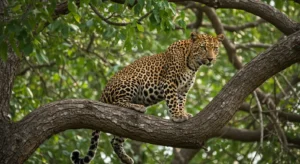
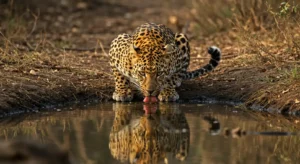
Winter brings out the best of Dudhwa’s wildlife. Tigers are more active and visible in the cool weather, often seen on forest tracks in the morning. The one-horned rhinos of the Dudhwa Range graze openly on the grasslands. Large herds of elephants move through the forests, and swamp deer gather in impressive numbers. Leopards, sloth bears, jackals and wild boar are all regularly sighted.
For bird lovers, winter is simply unbeatable. The park’s wetlands host ducks, geese, waders and raptors in large numbers, alongside resident stars like the Bengal florican, great slaty woodpecker and a dazzling variety of kingfishers, eagles and owls. Carry binoculars even if you are primarily a mammal watcher — you will use them.
What to Wear and Pack for a Winter Safari
Dressing right makes the difference between a comfortable safari and a freezing one. The golden rule is layers:
- Warm jacket or fleece — essential for the open jeep, especially the 6:30 AM start. A windproof outer layer is ideal.
- Woolen cap, gloves and scarf — you will be grateful for these in December and January.
- Layered clothing — mornings are cold but afternoons warm up, so wear layers you can add or remove.
- Comfortable closed shoes — the jeep ride is bumpy; sturdy footwear helps.
- Binoculars and camera — with extra batteries, which drain faster in the cold.
- Sunscreen and sunglasses — the winter sun is deceptively strong once the mist lifts.
Avoid bright colours — earthy greens, browns and greys blend into the forest and disturb wildlife less. For a complete checklist, see our guide to 10 essential things to pack for your Dudhwa jungle safari.
Morning vs Afternoon Safari in Winter
Both slots have their charms. The morning safari offers the best chance of predator sightings — tigers and leopards are most active in the cool early hours — plus the unforgettable experience of mist lifting off the grasslands. The afternoon safari is warmer and more relaxed, with excellent light for photography and good chances of elephants and rhinos as they emerge to graze. If your schedule allows, do both: two safaris in a day, across two different zones, is the ultimate Dudhwa winter experience.
Booking Tips for the Winter Season
Winter is the busiest season, and permits sell out fast — especially on weekends and around Christmas and New Year. Safari bookings open 30 days in advance for Indian nationals and 90 days in advance for foreign nationals, and permits are issued strictly first-come, first-served. Book the moment your dates are confirmed. Remember that confirmed e-permits are non-refundable, so be sure of your dates.
The Dudhwa safari price is the same year-round and is charged per vehicle, so a winter safari costs no more than any other season — remarkable value for the best wildlife viewing of the year. Consider bundling your safaris with a stay through our Dudhwa tour packages, which take care of permits, accommodation and transfers in one booking.
A winter safari in Dudhwa is one of North India’s great wildlife experiences — crisp air, golden grasslands, active wildlife and the thrill of the Terai at its finest. Plan early, dress warmly, and let the jungle do the rest.