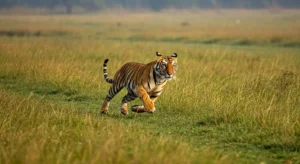
One of the most common questions first-time visitors ask before booking a Dudhwa jeep safari is: which safari zone should I choose? Dudhwa Tiger Reserve is not a single compact park but a vast landscape of forests, grasslands and wetlands divided into several safari zones — Dudhwa, Kishanpur, Katarniaghat, Sonaripur, Sathiyana and Salukapur — each with its own terrain, vegetation and wildlife specialities. This guide compares the main safari zones so you can understand what makes each one special and set the right expectations for your jungle drive.
An important note first: zone allocation at Dudhwa is handled through an automated computerised system managed by forest officials, who balance vehicle distribution across zones. You can express a preference when you book, but the final allotment is done by the system — and honestly, that is good news, because every zone in Dudhwa holds a healthy population of wildlife and sightings are reported regularly across the park.
Dudhwa Range – The Rhino Heartland
The Dudhwa Range is the core of the national park and the zone most visitors picture when they think of Dudhwa. Famous for one-horned rhino sightings and beautiful wetlands, this is where the park’s celebrated rhino reintroduction programme has created a thriving population of greater one-horned rhinoceros. The mosaic of tall grasslands, sal forests and marshy wetlands makes for classic Terai scenery — and superb wildlife viewing.
Alongside rhinos, the Dudhwa Range offers strong chances of elephant herds, swamp deer grazing on the grasslands, and tigers moving through the forest-grassland edges. The wetlands attract a spectacular variety of birds, from Sarus cranes to numerous duck and wader species in winter. If this is your first safari in Dudhwa, the Dudhwa Range delivers the quintessential experience: rhinos in the morning mist, deer-dotted grasslands and the ever-present possibility of a tiger.
Kishanpur Wildlife Sanctuary – Leopards and Swamp Deer
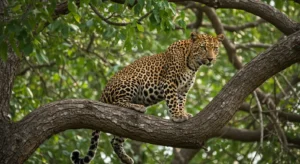
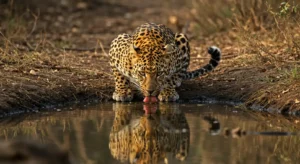
Located to the south-east of the main park, Kishanpur Wildlife Sanctuary is a compact, dense and wonderfully wild zone. It is excellent for leopard sightings — many naturalists consider Kishanpur among the most reliable places in the Terai to spot this elusive big cat — and for swamp deer (barasingha), whose large herds are a magnificent sight on the open grasslands.
Kishanpur’s mix of dense forest patches and open meadows creates ideal leopard habitat, and the zone’s relatively compact size means wildlife encounters can feel frequent and intimate. Tigers also roam here, along with elephants, jackals and a rich birdlife. Photographers love Kishanpur for its atmospheric light filtering through dense canopy and the chance of a leopard draped over a branch or crossing a forest track at dawn.
Katarniaghat Wildlife Sanctuary – Riverine Wilderness
Katarniaghat, stretching along the Indo-Nepal border, is Dudhwa Tiger Reserve’s wild riverine frontier. Rich in riverine habitat along the Geruwa river, this zone feels distinctly different from the sal forests elsewhere — a landscape of floodplain grasslands, river channels and dense riverside forest. It is the place to look for gharials basking on sandbanks and, with luck, the elusive Gangetic dolphin arcing through the river.
The forests of Katarniaghat hold tigers, leopards and elephants, while its grasslands support hog deer and swamp deer. Because it is more remote and less visited than the core zones, Katarniaghat offers a genuine sense of wilderness and solitude. It pairs beautifully with a Dudhwa safari on a longer trip — many travellers combine both on our Dudhwa tour packages covering Dudhwa and Katarniaghat.
Sonaripur, Sathiyana and Salukapur – Tiger Country and Dense Forest
Sonaripur is ideal for tigers, elephants and birdwatching — a classic mixed-habitat zone where grasslands meet forest, creating excellent conditions for predator sightings. Elephant herds are frequently encountered here, and the birdlife is outstanding, making it a favourite for both mammal and bird enthusiasts.
The Sathiyana Range is known for dense sal forests and sloth bears. If you love the feeling of driving through towering, cathedral-like sal forest, Sathiyana delivers it in full measure — and its dense cover is prime habitat for sloth bears, which are a speciality sighting here. Salukapur, the fifth zone, offers a similar Terai mix of forest and grassland with good general wildlife viewing.
Safari Zone Comparison at a Glance
| Zone | Landscape | Wildlife specialities | Best for |
|---|---|---|---|
| Dudhwa Range | Grasslands, wetlands, sal forest | One-horned rhino, tiger, elephant, swamp deer, wetland birds | First-time visitors; rhino sightings |
| Kishanpur | Dense forest patches, meadows | Leopard, swamp deer, tiger | Leopard seekers; photographers |
| Katarniaghat | Riverine floodplains, Geruwa river | Gharial, tiger, elephant, Gangetic dolphin | Wilderness feel; riverine species |
| Sonaripur | Mixed forest-grassland | Tiger, elephant, birds | Tiger and elephant sightings; birding |
| Sathiyana / Salukapur | Dense sal forest, grassland | Sloth bear, tiger, deer | Dense-forest experience; sloth bears |
Which Safari Zone Should You Choose?
The honest answer: you cannot go wrong. Tiger, elephant, rhino, swamp deer, leopard and hundreds of bird species occur across the reserve, and the computerised allotment system exists precisely because wildlife is well distributed. That said, a few pointers can help:
- First safari in Dudhwa? The Dudhwa Range gives you the classic experience — rhinos, grasslands, wetlands and strong all-round sightings.
- Dreaming of a leopard? Ask for Kishanpur, where dense habitat makes leopard encounters relatively frequent.
- Love rivers and reptiles? Katarniaghat’s Geruwa river offers gharials and a wilder, more remote feel.
- Keen birder? Sonaripur and the Dudhwa wetlands are outstanding, especially in winter when migrants arrive.
- More than one safari? This is the real secret — book two or three safaris across different slots and let the system allot you different zones. Multiple drives in multiple zones is the single best way to experience Dudhwa’s full diversity.
Booking Tips for Your Zone Safari
Safari bookings open 30 days in advance for Indian nationals and 90 days for foreign nationals, and permits are issued first-come, first-served — so reserve early, especially for winter weekends. The Dudhwa safari price is charged per vehicle and is the same across all zones, so exploring multiple zones costs nothing extra. Carry your original ID, reach the gate well before your slot, and remember that the forest department’s zone allotment is final. Whatever zone the jungle gives you, go with open eyes — Dudhwa rarely disappoints.
Planning an overnight stay? Explore our handpicked Dudhwa hotels and resorts near the safari gates, with comfortable options for every budget.